



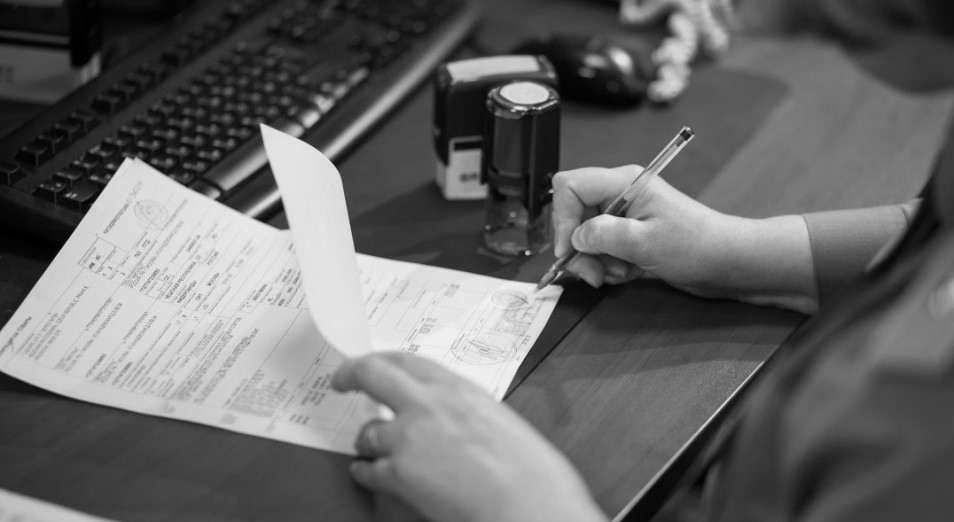


Consultations on customs legislation
Clarification of rules and requirements of customs clearance
Assistance in classification of goods according to HS code (Harmonized System codes)
Consultations on rates of customs duties, taxes and excise duties
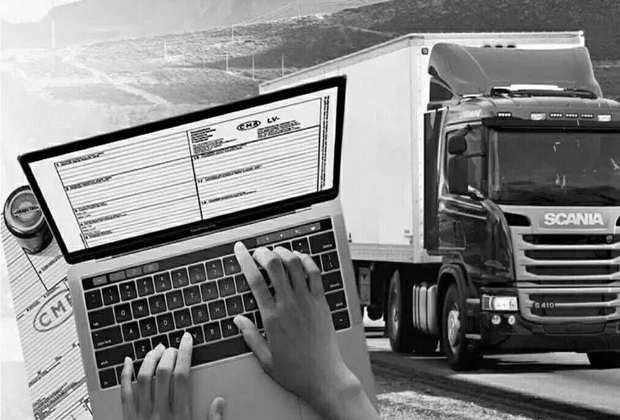
Preparation and execution of documents
Checking and preparation of necessary documents for customs clearance (invoices, contracts, certificates of origin, licenses, etc.)
Filling in goods declarations and other customs forms
Registration of electronic documents through customs systems
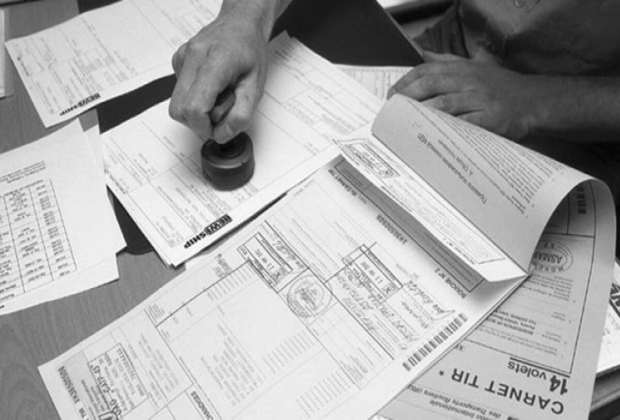
Customs
declaration
Submission of goods declaration to customs authorities
Interaction with customs inspectors to speed up the inspection process
Adjusting declarations (if it necessary)

Calculation of
customs duties
Calculation of customs duties, taxes, excise duties and fees
Assistance in optimizing customs payments
Control over the correctness of calculation and payment of charges

Organization of customs control
Accompanying the cargo during customs inspection
Organization of necessary expert examinations and laboratory analyses
Settlement of disputable issues with customs

Logistic
support
Organization of cargo transportation to the place of customs clearance
Interaction with carriers, temporary storage warehouses and other participants of the process
Control over delivery and clearance deadlines
Work with special regimes
Registration of goods under special customs regimes (temporary import/export, re-export, processing, etc.)
Assistance in obtaining privileges or exemptions from customs payments

Settlement of disputable issues
Representation of the client's interests in customs authorities
Appealing customs decisions in case of disagreement
Assistance in resolving conflict situations
Record keeping and reporting
Keeping records of customs operations
Preparation of reports for the client on customs operations
Storage and archiving of documents

Additional services
Assistance in obtaining certificates of conformity, licenses and permits
Consultations on export control issues
Support in case of inspections by customs or tax authorities

Advantages of working with a customs broker
Saving time: The broker takes care of all stages of customs clearance
Risk reduction: A professional broker minimizes errors and delays
Cost Optimization: A broker helps to reduce customs payments through proper classification of goods and utilization of benefits
Legal support: The broker protects the client's interests in case of disputes with customs
Depending on the terms of delivery (Incoterms), the customs value may include:
Cost of goods
Cost of transportation (freight)
Cost of insurance
Other costs (e.g. license fees, commissions)

Methods of determining customs value
According to the transaction value of the imported goods (main method)
Transaction value of identical goods
By the transaction value of homogeneous goods
Subtraction method (based on the selling price of the goods in the country of importation)
Value addition method (based on the cost of production)
Reserve method (used if the previous methods are not suitable)
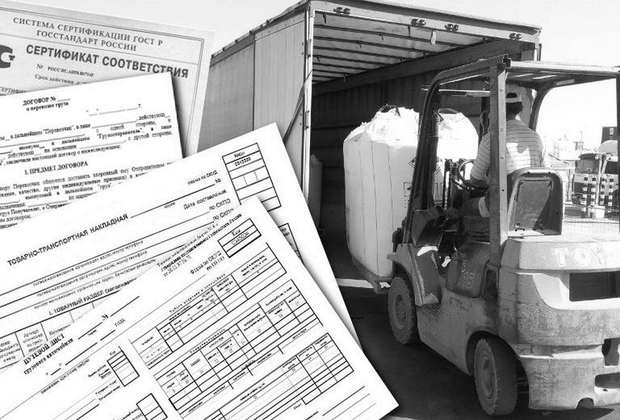
Documents for determining customs value
Invoice
Sales contract
Transportation documents (CMR, BL, AWB)
Insurance documents
Other documents confirming the costs (licenses, certificates, payment orders)